Why It Became Iconic
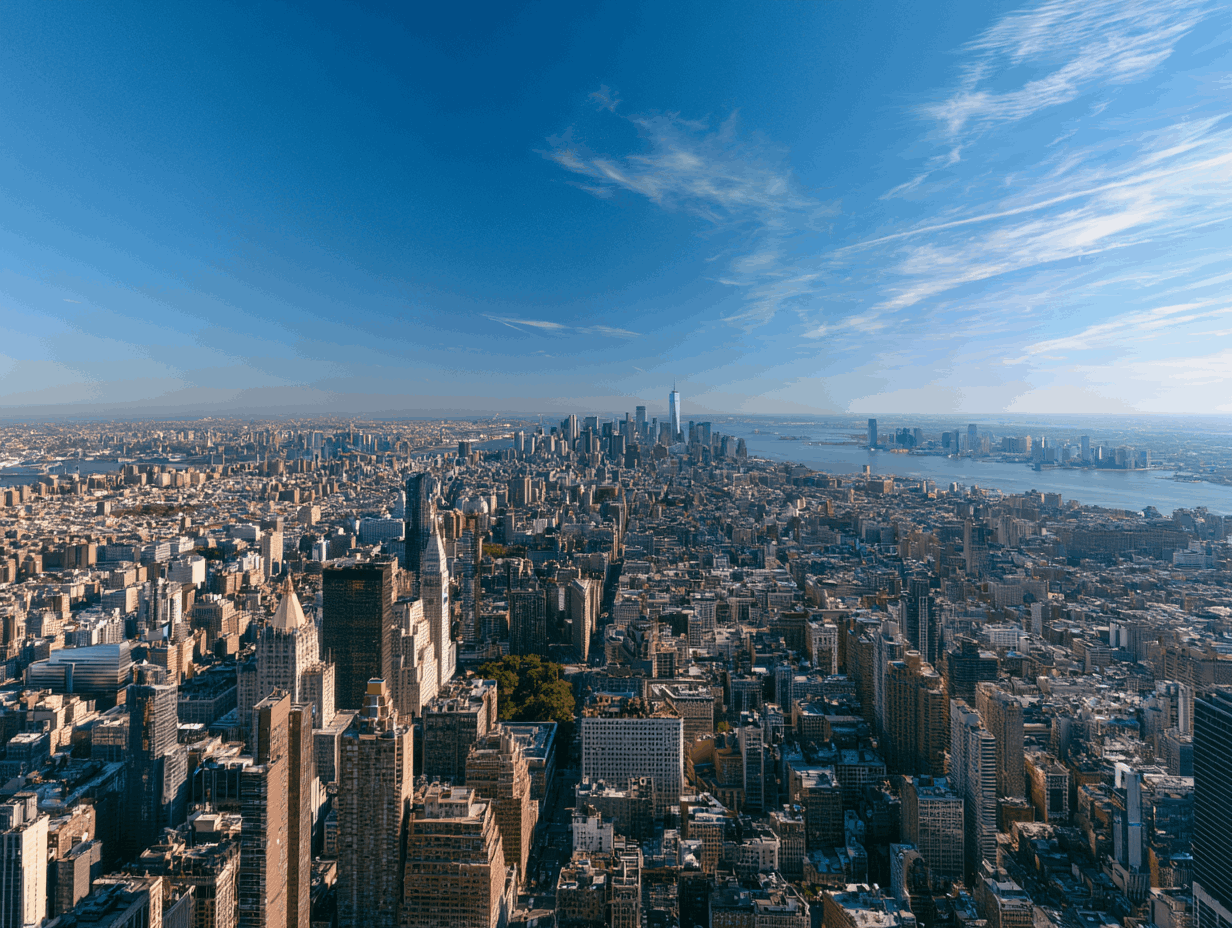
Wall Street became iconic because it evolved into the most recognized symbol of finance, investment, and economic power in the world. Although it is just a relatively short street in New York City, its influence extends far beyond its physical size. For generations, decisions made by financial institutions located here have affected businesses, governments, and individuals across the globe. When people talk about markets rising or falling, economic booms, or financial crises, they often use "Wall Street" as a symbol for the entire financial system. Few streets anywhere have become so closely associated with wealth, ambition, and capitalism.
History
The origins of Wall Street date back to the seventeenth century when a defensive wall stood near the northern edge of a small Dutch settlement. Over time the wall disappeared, but the street remained and gradually became a center of commerce and trade.
As New York grew into an important port and commercial hub, financial activity concentrated around Wall Street. Banks, brokerage firms, and trading companies established offices nearby, turning the area into the heart of American finance. Throughout the nineteenth and twentieth centuries, the street witnessed periods of extraordinary growth as well as dramatic economic downturns.
Major events such as financial panics, market crashes, and economic recoveries all left their mark on Wall Street. Despite challenges and changing technology, the district remained one of the most influential financial centers in the world. Today, much of the trading that once happened face to face occurs electronically, but Wall Street continues to symbolize the financial industry as a whole.
What To See
Visitors to Wall Street quickly discover that its importance comes more from its history and influence than from its size. The street is lined with impressive office buildings that reflect generations of financial activity and economic growth.
Walking through the district, visitors can see landmarks associated with banking, investment, and commerce. Historic architecture stands alongside modern skyscrapers, creating an environment that reflects both the past and present of global finance.
The surrounding area is filled with reminders of the role New York played in shaping international trade and business. Even for people with little interest in economics, the atmosphere can feel significant because so many important financial events are connected to this location.
The neighborhood is often busier during working hours when professionals move between offices, meetings, and institutions. It feels like a place where decisions are constantly being made, even if most of those conversations happen behind closed doors.
Best Time To Visit
Wall Street can be visited throughout the year, but weekdays usually offer the most active atmosphere. During business hours visitors can experience the energy of a functioning financial district, with thousands of people working in nearby buildings.
Spring and autumn are often the most comfortable seasons for exploring the area on foot. Summer can be warm and busy, while winter brings cooler temperatures but often fewer visitors.
Early mornings provide an interesting glimpse of the district as the workday begins. Later in the evening, the area becomes noticeably quieter, giving visitors a different perspective on the famous street.
Interesting Facts
Wall Street is surprisingly short considering its enormous reputation around the world. The street's name comes from an actual wall built centuries ago by Dutch settlers. Although the original structure no longer exists, the name remained and eventually became known worldwide.
The term "Wall Street" is now often used as a shortcut for the entire American financial industry, even though many major financial firms operate in locations far beyond the street itself. This symbolic meaning grew over decades as New York established itself as a global financial capital.
Financial events connected to Wall Street have influenced economies across continents. Market rallies, recessions, and periods of uncertainty have often started with developments linked to institutions in this district. Thats why news from Wall Street is followed not only in the United States but throughout the world.
Wall Street became the ultimate symbol of money, power, and capitalism because it represents the place where finance and ambition intersect on a global scale. Its historic buildings and famous name tell the story of economic growth, risk, innovation, and competition. Visiting Wall Street offers a chance to stand in one of the most influential financial districts ever created and to understand why a single street became known around the world.