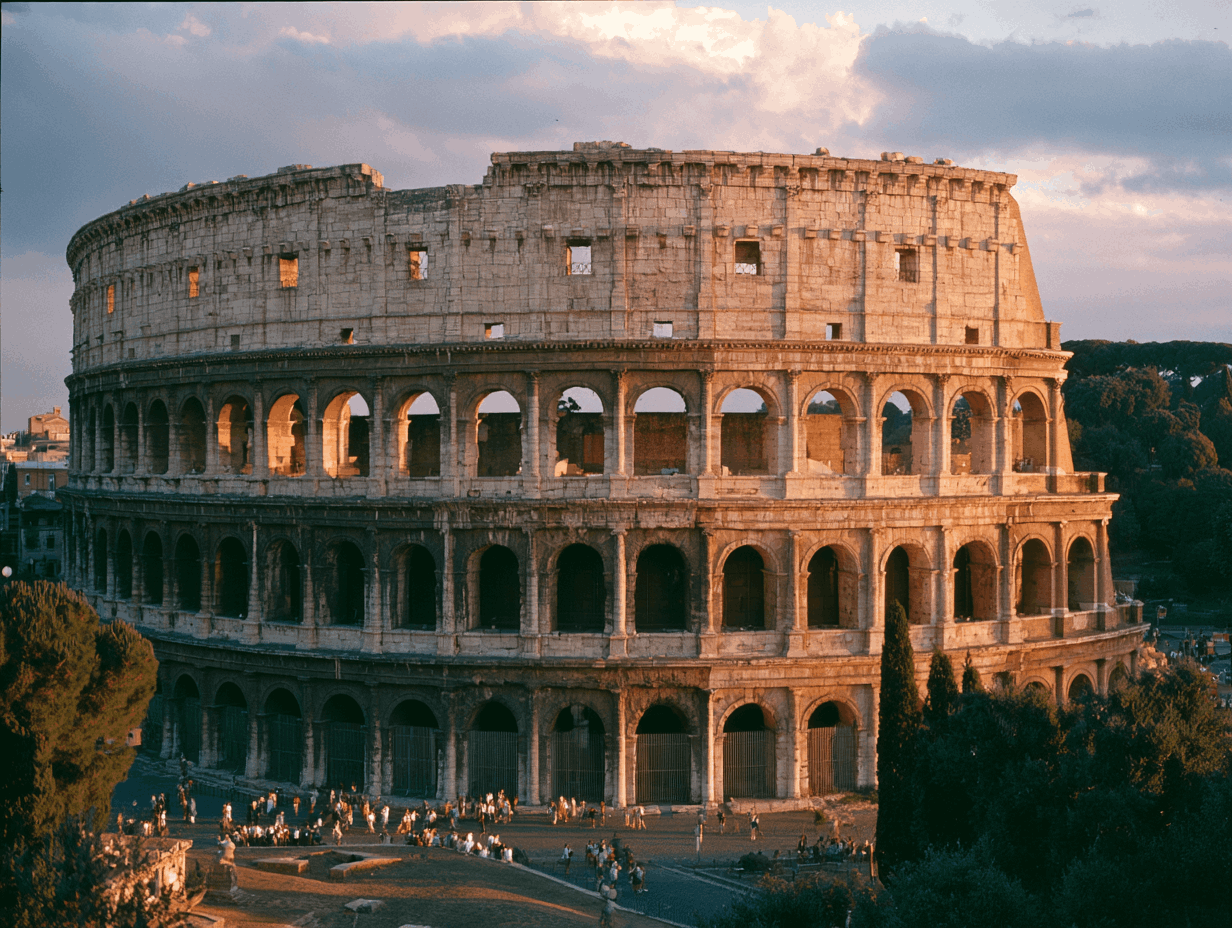
Why It Became Iconic
Rome is one of the few cities in the world that feels larger than its physical size. It became iconic because so much of Western civilization can trace its roots back to what happened here. Ancient emperors ruled vast territories from Rome, artists transformed its streets during the Renaissance, and generations of travelers have looked at the city as a living museum. Unlike many historic places, Rome is not frozen in time. Ancient ruins stand beside busy cafes and modern neighborhoods, creating a place where the past and present seem to exist together. That unique mix is what makes Rome unforgettable.
History
The history of Rome stretches back more than two thousand years and is filled with stories of ambition, conquest, religion, and culture. According to legend, the city was founded by twin brothers who were raised by a she wolf. Whether true or not, the story reflects how deeply history is woven into Rome's identity. The city grew into the center of one of the most powerful empires the world had ever seen. Roads, laws, engineering techniques, and architectural ideas developed here influenced countless societies.
After the fall of the empire, Rome remained important as a religious and cultural center. During the Renaissance, artists and architects transformed the city once again, creating masterpieces that still attract visitors today. Through centuries of political change, wars, and rebuilding, Rome somehow managed to preserve layer after layer of its remarkable past.
What To See
Every part of Rome seems to reveal another piece of history. Ancient ruins tell stories of emperors and gladiators, while grand squares and fountains showcase the creativity of later centuries. Walking through the historic center often feels like moving through different eras within a single afternoon.
Many visitors spend hours exploring archaeological sites, but some of the most memorable moments happen simply by wandering the streets. Small churches, hidden courtyards, and quiet corners often feel just as special as the famous landmarks. The city's atmosphere is part of the experience, and sometimes the best discoveries happen when you arent following a strict plan.
Best Time To Visit
Spring and autumn are usually considered the best seasons to visit Rome. The temperatures are pleasant, and exploring the city on foot becomes much more comfortable. April, May, September, and October often provide a good balance between weather and visitor numbers.
Summer can be very hot, especially in the middle of the day when stone streets and buildings absorb the heat. Winter is quieter and cooler, but many travelers enjoy seeing the city without the larger crowds. No matter the season, early mornings and evenings often offer the most enjoyable atmosphere for exploring.
Interesting Facts
Rome is often called the Eternal City because people believed it would last forever. The city contains layers of history beneath its streets, and archaeologists still discover new remains from ancient times. Some buildings have stood for nearly two thousand years, surviving earthquakes, conflicts, and changing governments.
It is also one of the few places where you can see structures from multiple eras within just a short walk. Ancient temples, medieval churches, Renaissance palaces, and modern buildings all exist side by side. Many visitors are surprised by how much history appears around every corner, sometimes where they least expect it. There are even sections of the city where old foundations remain hidden beneath modern roads and buildings, waiting to reveal more secrets.
Rome continues to define Western civilization because its influence never truly disappeared. Ideas born here helped shape politics, architecture, culture, and society across much of the world. Visiting Rome is not only about seeing historic landmarks. It is about experiencing a city that helped write a significant part of human history and still carries that legacy today.