Why It Became Iconic
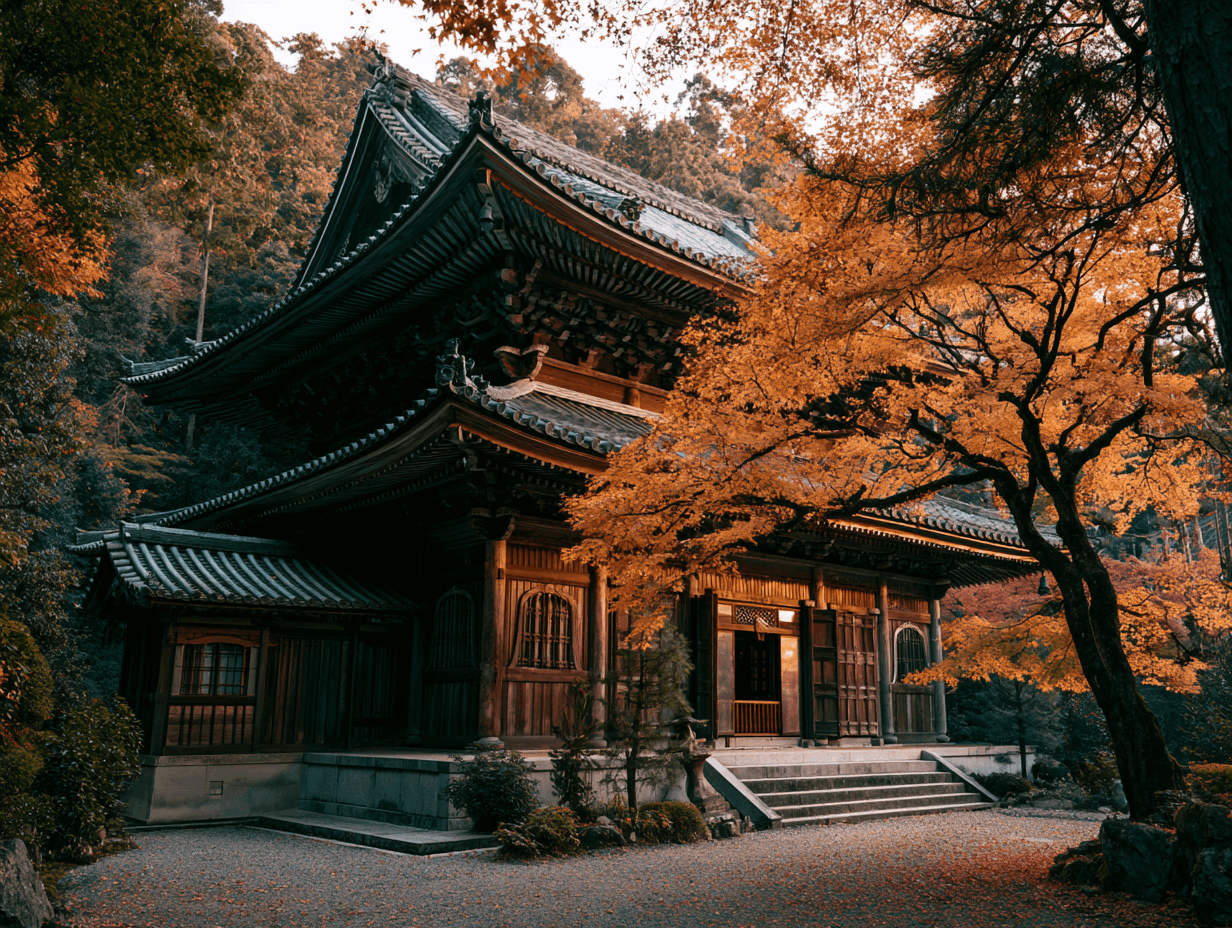
Kyoto became iconic because it preserved the soul of Japan while much of the country changed and modernized around it. For more than a thousand years it served as the imperial capital and cultural center of the nation. While other cities grew into major industrial and financial hubs, Kyoto remained closely connected to traditions, religion, art, and craftsmanship. Its temples, gardens, shrines, and historic districts continue to reflect a way of life that has been passed down through generations. For many people, Kyoto represents the image of Japan they have imagined for years.
History
Kyoto was founded in the late eighth century when it became the seat of the imperial court. For centuries emperors, nobles, scholars, and artists shaped the city's identity. Many important cultural traditions developed here, including classical literature, refined architecture, tea ceremonies, and various forms of traditional art.
Over time political power shifted elsewhere, but Kyoto remained a center of culture and religion. One reason the city feels so special today is because many historic areas survived periods of conflict and rapid modernization. Ancient temples, wooden houses, and carefully designed gardens were preserved when similar places disappeared in other regions. As a result, Kyoto offers a rare glimpse into the Japan of earlier centuries.
What To See
Kyoto is filled with historic sites, and every neighborhood seems to reveal something different. Visitors can explore peaceful temple grounds, walk through forests of bamboo, and discover streets lined with traditional wooden buildings. Some areas feel almost unchanged from hundreds of years ago.
The city's gardens are among its greatest treasures. Carefully arranged stones, ponds, bridges, and trees create landscapes designed to inspire reflection and calm. Many temples also contain beautiful artwork, intricate carvings, and centuries old architecture. Walking through Kyoto often feels less like sightseeing and more like stepping into a different era.
One of the most memorable experiences is simply wandering through the historic districts during the early morning or evening. The atmosphere can feel surprisingly quiet, even though millions of people visit every year.
Best Time To Visit
Spring and autumn are generally considered the most beautiful seasons in Kyoto. During spring, cherry blossoms add color to parks, temple grounds, and riverbanks. Autumn brings brilliant shades of red, orange, and gold that transform the city's gardens and hillsides.
Summer can be warm and humid, though festivals bring extra energy to the streets. Winter is colder but often much quieter, allowing visitors to enjoy famous sites with fewer crowds. Each season offers something unique, which is one reason Kyoto remains a destination people return to again and again.
Interesting Facts
Kyoto served as Japan's capital for more than one thousand years. The city contains thousands of temples and shrines, making it one of the country's most important religious centers. Many traditional crafts that are still practiced today were developed or refined here centuries ago.
The layout of Kyoto was originally inspired by ancient Chinese capital cities, with streets arranged in a planned grid. Some historic neighborhoods still follow patterns established over a thousand years ago. Visitors are often surprised by how many hidden temples and gardens can be found just a few minutes away from busy streets.
The city is also known for preserving seasonal traditions. Throughout the year, ceremonies, festivals, and cultural events continue to be celebrated much as they were generations ago, although some customs have changed a little over time.
Kyoto became the heart of traditional Japan because it protected its cultural heritage while the world around it evolved. Its temples, gardens, historic districts, and centuries old traditions create a connection to the nation's past that few places can match. Visiting Kyoto is not only about seeing beautiful landmarks. It is about experiencing the history, culture, and spirit that helped shape Japan itself.