aiqur-eec4f5-e9e61d
Why It Became Iconic
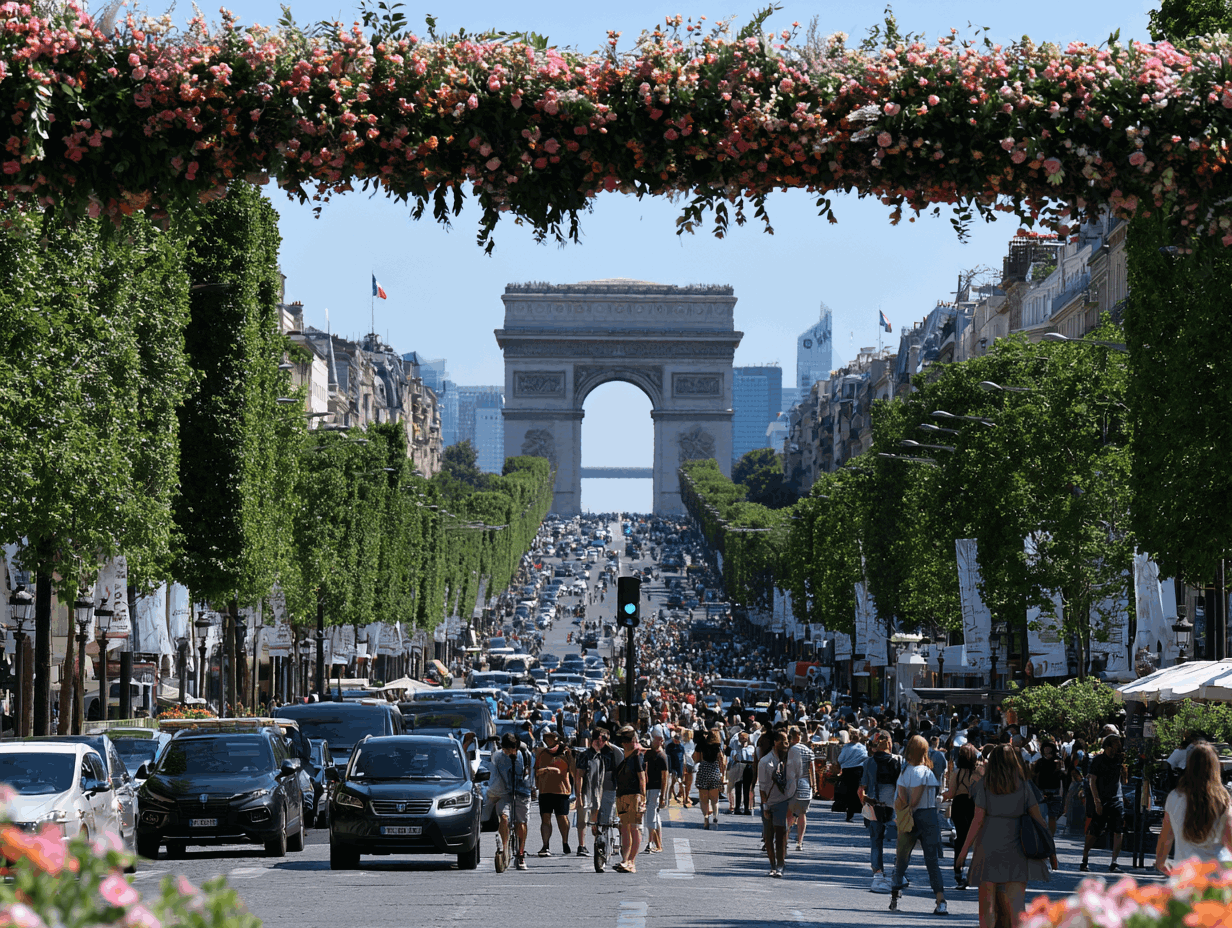
The Champs-Élysées became iconic because it grew into far more than just a street. Over the centuries it evolved into a symbol of Paris, French culture, and national pride. Known for its grand avenues, elegant architecture, public celebrations, and international reputation, it is often described as the most famous street in the world. Millions of visitors walk along it every year, not simply because of what is located there, but because the avenue itself has become a landmark. For many travelers, seeing the Champs-Élysées means experiencing one of the defining symbols of Paris.
History
The story of the Champs-Élysées began in the seventeenth century when the area was transformed from open land into a formal avenue extending from the heart of Paris. As the city expanded, the street became increasingly important and gradually developed into one of the most prestigious locations in France.
Over the years, the avenue witnessed royal ceremonies, military parades, public celebrations, and historic events that shaped the nation. It became a gathering place where important moments in French history unfolded before large crowds. During different periods, the street reflected both the triumphs and challenges of the country, making it deeply connected to the national identity.
As Paris became one of the world's leading cultural capitals, the Champs-Élysées gained international recognition and established itself as one of the city's most famous destinations.
What To See
Walking along the Champs-Élysées is an experience in itself. Wide sidewalks, rows of trees, elegant buildings, and impressive views create an atmosphere that feels both grand and welcoming. The avenue stretches between major landmarks and offers countless opportunities to appreciate the beauty of Paris.
Visitors can admire historic architecture, public spaces, theaters, and monuments while enjoying the lively energy of the street. Throughout the day, people from all over the world fill the avenue, creating a constant sense of activity.
One of the most memorable moments comes from simply standing along the avenue and looking toward the monumental landmarks that frame it. The broad perspective was carefully designed and remains one of the most recognizable urban views anywhere in the world.
The atmosphere changes throughout the day. Mornings can feel calm and relaxed, while evenings bring lights, crowds, and a completely different energy.
Best Time To Visit
The Champs-Élysées can be visited year round, with each season offering its own character. Spring and autumn are particularly pleasant because the temperatures are comfortable and the tree lined avenue looks especially beautiful.
Summer brings longer days and a vibrant atmosphere, though it can become quite busy with visitors. Winter has its own charm, especially when seasonal decorations and lights transform the avenue into one of the most attractive parts of the city.
Early morning is ideal for those who prefer quieter surroundings, while evening offers a chance to see the avenue illuminated against the Paris skyline.
Interesting Facts
The name Champs-Élysées comes from the Elysian Fields of ancient mythology, a place associated with peace and happiness. The avenue stretches for nearly two kilometers and has served as the setting for countless national celebrations and public gatherings.
Major sporting victories, cultural events, and historic commemorations have all taken place here. The street is often featured in films, photographs, and travel publications, helping reinforce its global reputation.
Despite its fame, the avenue has changed significantly over the centuries. What began as open countryside eventually became one of the most important streets in Europe. Some visitors are surprised by how wide and spacious it feels compared to many other historic streets in Paris.
The Champs-Élysées earned its place as Paris' most celebrated avenue because it combines history, culture, architecture, and national significance in a single location. More than just a street, it represents the spirit of Paris and remains one of the world's most recognizable urban landmarks. Walking along it offers a chance to experience a place that has stood at the center of French life for generations and continues to inspire visitors from around the globe.